

We spend a lot of time talking about “getting better every day” in the context of our own lives. We optimize our morning routines, we set goals for the future, and we track our health metrics. But self-improvement is only half of the equation. True growth that feels sustainable and deeply fulfilling requires us to look outward.
As we outline in Rule 8 of our 10 Rules for Life, giving back is a core tenet of a balanced life. It’s the intentional act of contributing your time, talent, or resources to something larger than yourself. But here’s the Personal Kaizen secret: giving back isn’t just good for the community; it is one of the most effective ways to accelerate your own personal development. It provides perspective, reduces stress, and builds a sense of purpose that a productivity app simply can’t replicate.
We often think volunteering requires a professional degree or a forty-hour-a-week commitment. In reality, the most impactful change comes from “average” people doing small things consistently. If you’ve been looking for a way to integrate Rule 8 into your life but aren’t sure where to start, here are nine simple ways to give back to your local community today.
1. The Logistics of Compassion: Support a Local Food Pantry

Food insecurity is often a hidden problem in communities. Your neighbors may be struggling more than they let on. Local food banks and pantries are the front line of defense, and they almost always need help with the “behind-the-scenes” work.
How to start: You don’t need to be a chef. I have a colleague who volunteers to serve meals to the homeless on Thanksgiving Day. Or, if you prefer to work behind the scenes, you can spend a few hours sorting dry goods, checking expiration dates, or packing boxes for distribution. This is a great way to see the immediate, tangible impact of your time.
2. Stewardship of the Earth: Join a Trail or Park Crew
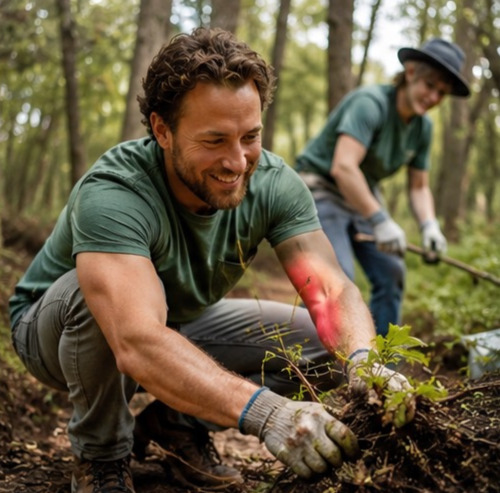
One of my favorite ways to practice Radical Humility is hiking in a beautiful park or forest. However, these trails and parks don’t maintain themselves. Land trusts and local parks departments rely heavily on volunteers to keep paths safe and ecosystems healthy.
How to start: Sign up for a “Trail Work Day.” You might spend a Saturday morning pruning overgrowth, clearing fallen branches, or picking up litter. The day will likely be a two-way or three-way win: you contribute to the beauty of your town, get a great workout, and meet other people who love hiking in nature as much as you do.
3. The Wisdom Exchange: Visit with Seniors

Social isolation is a significant health risk for the elderly, and research shows that positive relationships are the key to a happy life. Many seniors living alone or in assisted care have incredible stories and wisdom to share, but very few people to converse with.
How to start: Many organizations facilitate “friendly visitor” programs. A one-hour visit once a week to play a board game, share a cup of coffee, or listen to stories can profoundly improve someone’s mental health, and yours. Again, look to make your visit a two-way win: practice your music for them, stretch together, or go for a walk for a secondary benefit.
4. Provide a Temporary Home: Foster a Shelter Pet
Animal shelters are frequently over-capacity and loud, which can be incredibly stressful for animals. By fostering, you provide a quiet, loving space for a dog or cat while they wait for their forever home. Our family has personally sheltered about a dozen dogs over the past ten years, providing some training and love before helping the pet get adopted.
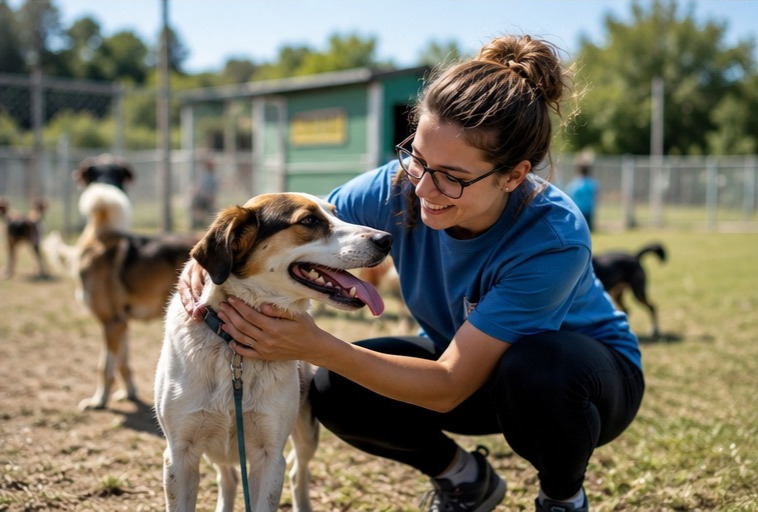
How to start: If you have the space and the patience, contact your local humane society or search online for local agencies. The agencies usually provide the food and medical care; you provide the roof and the belly rubs. It’s a rewarding way to give back without a long-term commitment (although we do have one “foster-fail” experience, where we elected to keep the puppy ourselves!)
5. Invest in the Future: Tutor or Read at a School
Literacy is the foundation of all future learning. Many children fall behind because they lack one-on-one attention. You don’t need to be a certified teacher to help a second-grader gain confidence in their reading.
How to start: Check with your local library or elementary school for “reading buddy” programs. Spending just thirty minutes a week reading with a child can change the trajectory of their education. I have volunteered by reading at our local school in the past and can almost guarantee that you will walk out of the classroom with a smile on your face!

6. The Gift of Life: Become a Regular Blood Donor
This is perhaps the most efficient way to give back. A single blood donation can save up to three lives, and the entire process takes less than an hour.
How to start: Find a Red Cross blood drive near you or contact a local hospital blood center. I am happy to report improvements to the donation process over the years. If you are physically able to donate, making this a quarterly habit is a powerful way to serve your community with a very small time investment.
7. Micro-Volunteering: Adopt a “Little Free Library” or Pantry

Have you noticed those small wooden boxes on stilts filled with books or canned goods? They are wonderful community assets, but they often become messy or empty.
How to start: If there is one in your neighborhood, “adopt” it. Check it once a week to ensure the books are upright and tidy, or add a few non-perishable items to a “Little Free Pantry.” It’s a five-minute task that keeps the spirit of sharing alive.
8. Bridge the Gap: Drive for a Meal Delivery Service
For homebound individuals, a delivered meal is often the only hot food (and maybe the only human interaction) they get in a day. Organizations like Meals on Wheels depend on volunteer drivers.
How to start: If you have a car and a spare lunch hour, this is a vital service. It’s not just about the food; it’s also a wellness check that ensures vulnerable members of your community are safe and seen.
9. Digital Equity: Share Your “Everyday” Tech Skills
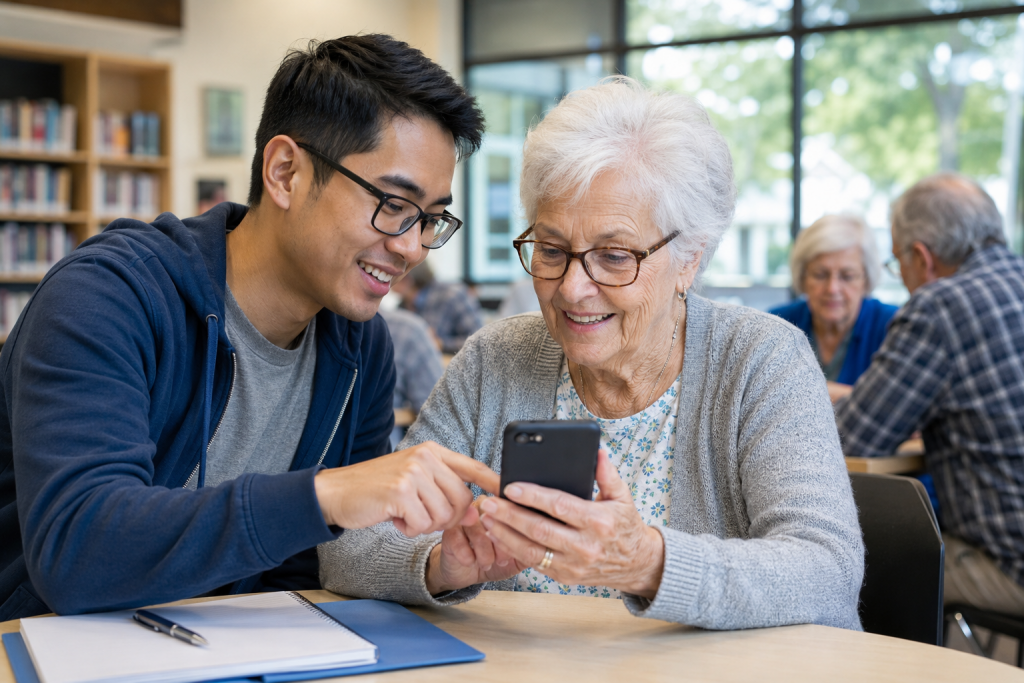
Have you ever helped a parent learn about a simple setting on their smartphone? Many senior citizens and small non-profits struggle with technology that we might take for granted. What seems like a “basic” skill to you could be a game-changer for someone else.
How to start: Combine this with a visit to a senior for another purpose. You can also offer to help a local non-profit set up their Instagram page, or volunteer at a library “tech clinic” to help people use their smartphones, navigate email, or learn using AI. Helping someone cross the digital divide is a modern act of service that has long-lasting benefits.
The Kaizen Approach to Giving Back
The core philosophy of Personal Kaizen is “continuous improvement through small, incremental steps.” We often fail to give back because we think we have to do something “big” to matter. We wait until we have more money, more time, or more expertise.
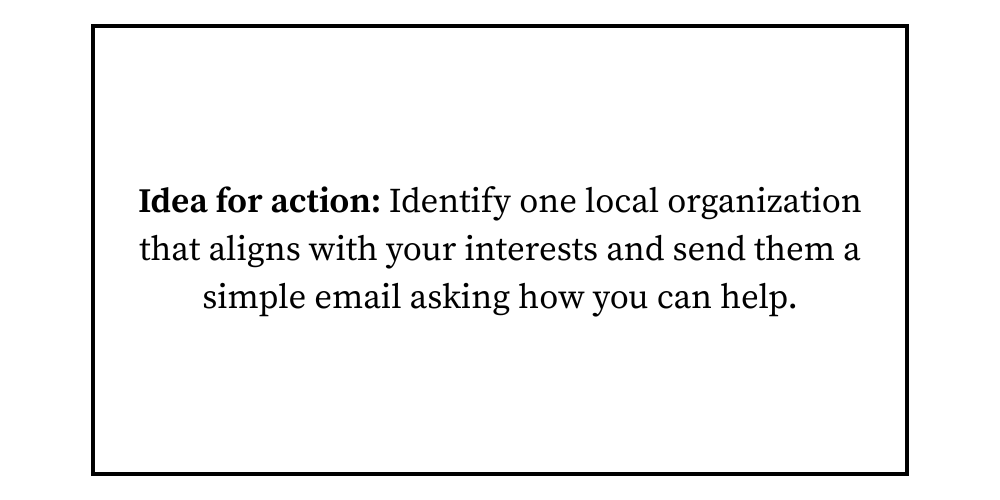
But Rule 8 of our 10 Rules for Life isn’t about the size of the gesture; it’s about the consistency of the habit. Just as you wouldn’t expect to run a marathon without training, you don’t need to lead a non-profit board to be a volunteer. Start small. Choose one item from the list above that resonates with you and commit to it for just one hour this month.
When we give back, we shift our focus from “what can I get?” to “what can I offer?” This shift is the ultimate personal improvement. It breaks the cycle of hedonic adaptation—the tendency to always want more—and replaces it with the deep, quiet satisfaction of being useful.
The world doesn’t need more superheroes; it needs more people willing to do a little good right where they are.
Looking for more ways to optimize your life and your impact? Check out our other 9 Rules for Life in the Personal Kaizen community here.