
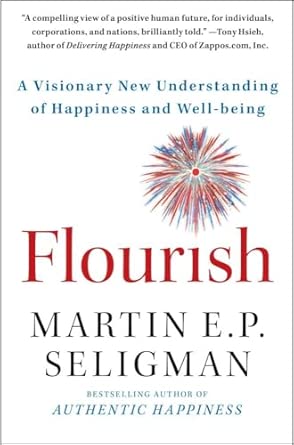
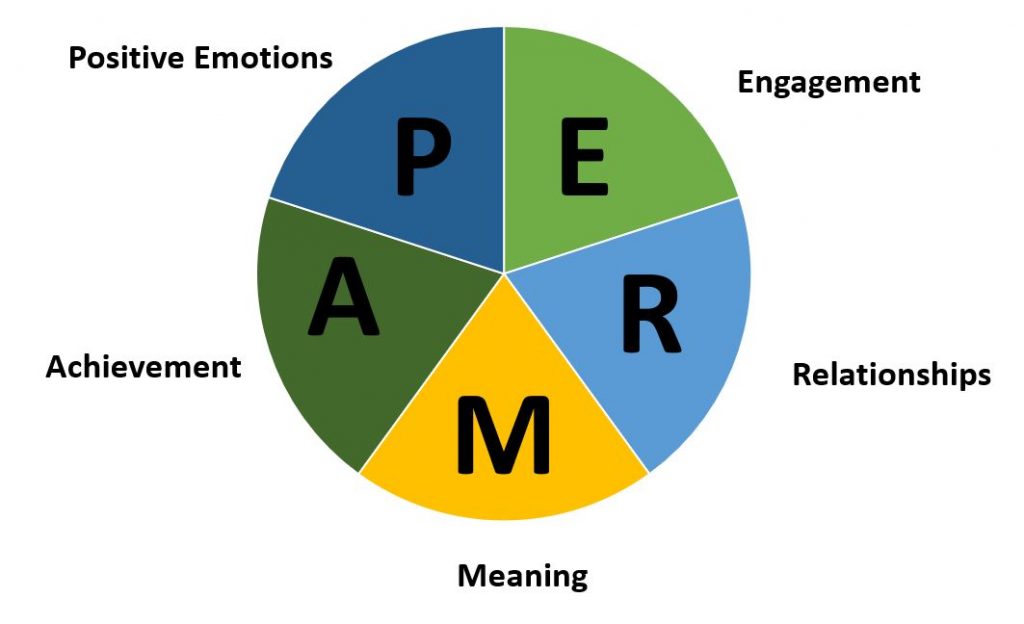
Our recent post shared research covering 10 models on the meaning and pursuit of happiness. One of the models highlighted is from Martin Seligman’s book Flourish: A Visionary New Understanding of Happiness and Well-being. Seligman introduces his PERMA model (Positive Emotion, Engagement, Relationships, Meaning, and Achievement) of well-being and shares many of his thoughts on Positive Psychology developed as a practicing psychologist.
Seligman shares several evidence-based exercises in the book designed to increase long-term well-being and decrease depression. Here are five of his exercises proven to increase your happiness and well-being, and our thoughts and experience testing them.
The “Three Blessings” (What Went Well)
This is perhaps the most famous exercise in the book and one we have shared in a post focused on bedtime rituals. The exercise re-trains the brain to focus on the positive rather than the negative in just a few minutes per day.
The Practice: Every night before you go to sleep, write down three things that went well that day. Next to each item, answer the question: “Why did this happen?”
Example:
- What: I had lunch out with my daughter. Why: Because we try to meet every month and we made time.
- What: I avoided the accident on the highway today. Why: Divine intervention?
- What: I finished writing my post. Why: I set aside an hour to wrap up the last section.
Research shows: Participants were happier and less depressed than those in control groups after six months.

Our experience: We re-tried this exercise for about four weeks before writing this blog post and plan to continue the practice. The challenge with developing a new habit is making it easy to do, using an anchor, and starting small. I made this new habit by keeping a small notebook and pen on my bedstand as a reminder to do before bed. I’m a happy, positive person already, but the practice certainly is further improving my mood before bed!
The Gratitude Visit
This exercise is intended to strengthen relationships and provide a massive “spike” in happiness.
The Practice: Think of someone who performed a kind act for you in the past but whom you never properly thanked. Write a formal letter of gratitude (about 300 words) describing specifically what they did and how it affected your life. Contact the person and ask to visit, but don’t tell them why. Once there, read the letter aloud to them.
Example: This is too personal and powerful to share as a written example, but we have written about gratitude in the past, and really like this site that allows you to create a short video of gratitude for another person.
Research shows: This visit often results in a profound emotional connection and a lasting increase in well-being for both parties.
Our experience: This is probably the quickest way to provide a spike in happiness and an overall feeling of well-being. Just do it!
Active-Constructive Responding (ACR)
This exercise focuses on the “Relationships” pillar of PERMA. It changes how you react when someone shares good news with you. There are four ways to respond to good news:
- Passive-Destructive: Ignoring the news (“What’s for dinner?”).
- Active-Destructive: Pointing out the downsides (“Are you sure you can handle the stress of that promotion?”).
- Passive-Constructive: A brief, understated “That’s nice.”
- Active-Constructive: Enthusiastic support, asking questions, and helping the person “re-savor” the event.
The Practice: Practice Active-Constructive Responding whenever someone you care about shares a success with you.
Example: This video provides a nice example of the different response types:
Research shows: Receiving an active-constructive response has tangible benefits for the individual’s emotional resilience and memories:
- Emotional Resilience is associated with a decrease in depressive symptoms and an increase in daily “positive affect” (mood).
- People who receive an ACR response have better memories of the positive event itself because the enthusiastic conversation helps encode the memory more deeply.
Our experience: Active-Constructive Responding certainly makes sense for strengthening relationships. It can be hard to do this when you are interrupted or otherwise distracted with something else. Passive-constructive responding can be just as harmful to long-term relationship satisfaction as being actively critical, so I try to ask people to hold for a minute while I wrap up my work. This allows me to give the person my full attention and answer constructively.
Improving the “Losada Ratio” (Positive Communication)
Seligman discusses this as a concept for teams and marriages and recommends it as a practice for flourishing relationships (part of the PERMA model).
The Practice: Aim for a ratio of at least 3:1 positive comments to negative or critical comments in all interpersonal communications with you partner, family, friends, and colleagues.
Example: This short video describes the idea.
Research shows: The mathematical theory used in the original research paper by Losada has been debunked, but the idea of strengthening a relationship by being positive remains obvious. John and Julie Gottman have found through informal research on couples in flourishing marriages that the ratio is often closer to 5:1. The goal is to be mindful of your verbal interactions to ensure they are primarily supportive.
Our experience: Unlike some of the other exercises, this is not a discrete habit to develop or a single exercise to run. Positive communication is just simply a better way to interact with others as you live your life.
We suggest you discuss the idea of the Losada ratio with the person with whom you want to improve your relationship. Ask them to provide feedback on times you are answering negatively. I shared both the Losada ratio and Active-Constructive Responding principles with my partner – she will help me improve!
Kindness Exercise
Seligman notes that performing a kindness for another person produces the single most reliable momentary increase in well-being of any exercise tested.
The Practice: Find one (entirely unplanned) kind thing to do today and just do it. Notice how your mood changes afterward.
Examples: There are many great examples of kindness:
- Pay a compliment to a server and leave them an especially generous tip
- Buy a homeless person a sandwich
- Offer to pay for the coffee of the person ahead of you or behind you in line
- Pay a compliment to a random person (without being creepy…)
- Give a small gift to a coworker that you know they will appreciate
Research shows: Unlike “fun” (which fades quickly), “philanthropy” (helping others) provides a lasting sense of meaning.
Our experience: Performing kindness exercises are great, but only provide a short-term boost to your mood and well-being. I recommend developing a kindness practice that you can commit to regularly – basically, making kindness a new habit. For example, always tip your service provider 50% of the bill or at least $10. Always hold open the door for the person behind you. Always compliment your coworker. Making this a habit will ensure you generate kindness more often.
Summary
Let us know about your experience with any of these exercises meant to grow your sense of happiness and well-being. Also, share any additional methods you have found to increase your sense of joy.